
Sacramento
Personal Injury

Are Personal Injury Settlements Public Record in California?
A settlement made before any lawsuit can stay largely private. Once a case is filed, court records start out open. Here is how confidentiality clauses and sealing really work.

Moving Away From Sacramento During a Personal Injury Claim
You can move while an injury claim is open. Here is who to tell, how to update the court with form MC-040, why the case stays in Sacramento and when you may need to travel.

Who Can Act for an Injured Adult Who Cannot Manage a Claim?
Family can help an injured adult in many ways, but signing for them takes legal authority. Here is how guardians ad litem, conservators and court approval work in California.

Can Undocumented Immigrants Bring Personal Injury Claims in California?
Immigration status does not bar an injury claim in California, and the other side cannot ask about it in an injury lawsuit. Here is what the law covers and where it stops.

Who Has to Prove a Personal Injury Case in California?
In a California injury case, the person suing must show each fact is more likely true than not. Here is how that burden works, when it shifts and when a higher bar applies.

What Personal Injury Means Under California Law
Personal injury means harm to your body or mind, not your things. Here is how California uses the term, how it differs from property damage and when it becomes a claim.
Finding the Correct Sacramento Agency for an Injury Claim
An injury claim against a public agency must reach the right office within six months. Here is where city, county, SacRT and state claims go and how to prove delivery.
Reporting a California Accident to the DMV With an SR 1
Any injury, a death or more than $1,000 in damage means each driver files an SR 1 with the DMV within 10 days, police report or not. Here is how to file and what to skip.
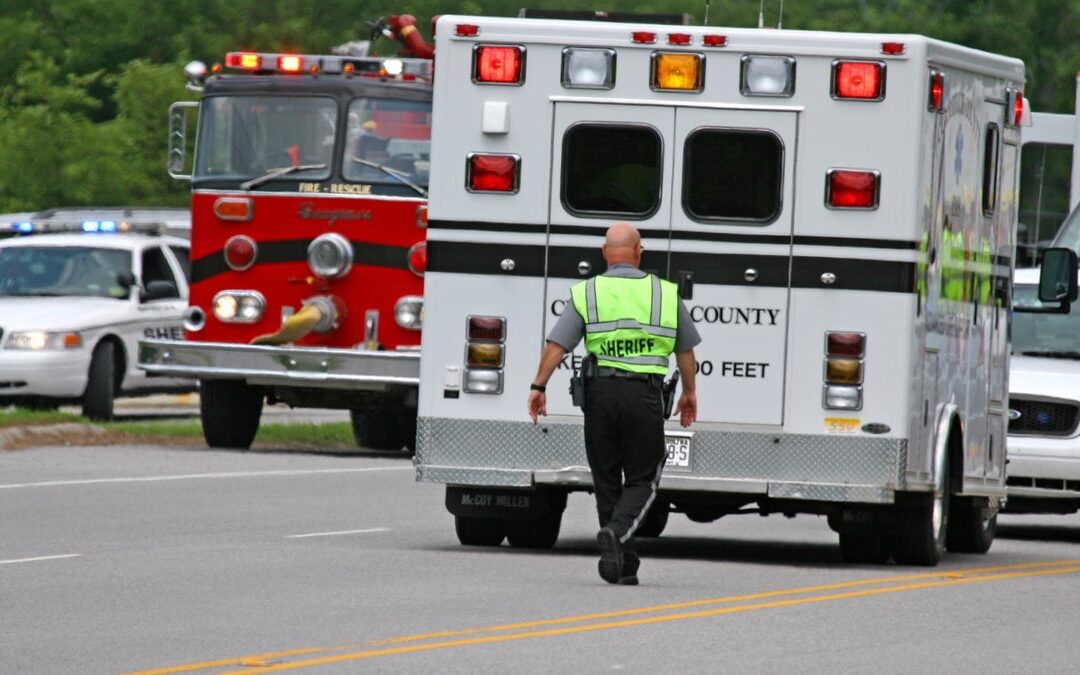
How to Request a Sacramento Area Traffic Collision Report
Your crash report comes from whichever agency took it, usually Sacramento police or the CHP. Here is who can get a copy, what it costs, how long it takes and what to check.

California Mirror Laws for Cars, Trucks and Motorcycles
Most California cars need two mirrors, including a left one. Motorcycles need one, and towing or a blocked rear view calls for both side mirrors. Here is why it matters.
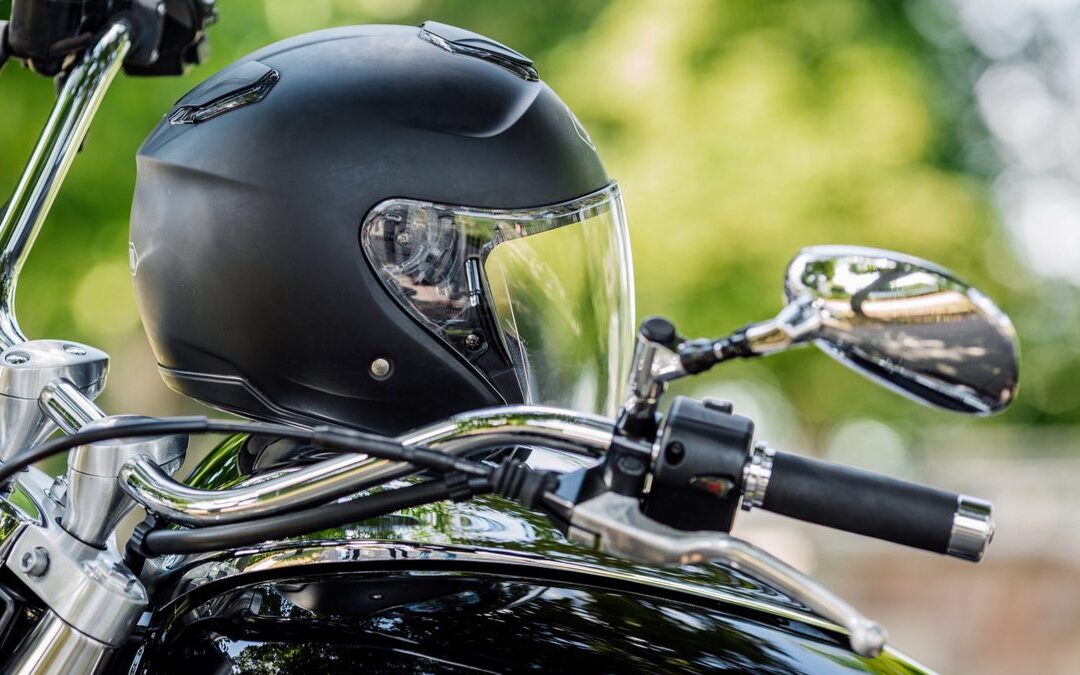
California Helmet Laws for Different Types of Riders
Motorcycle riders always need a helmet in California. Bike and scooter rules depend on age, and class three e-bikes need one for everyone. Here is how it sorts out.

California Motorcycle Permit Restrictions for New Riders
A California motorcycle permit means no night riding, no freeways and no passengers. Here is who needs one, how long it lasts and how the rules affect a claim.

Vehicle Defects and Crashworthiness After an Accident
A vehicle defect can cause a crash or make injuries worse. Here is how crashworthiness claims work in California and why keeping the car matters so much.

What Happens When a Defective Product Causes a Personal Injury?
California lets people hurt by defective products recover without proving carelessness. Here is how defects are judged, who can be liable and what to keep.

Construction Site Injuries Involving Visitors and the Public
Visitors and passersby hurt near a construction site may have claims against whoever controlled the hazard. Here is who may be involved and what to save.

Who May Be Responsible for an Injury on a Public Sidewalk?
A sidewalk fall can involve the city, the neighboring owner or a business. In Sacramento, a local ordinance makes fronting owners liable for unrepaired defects.
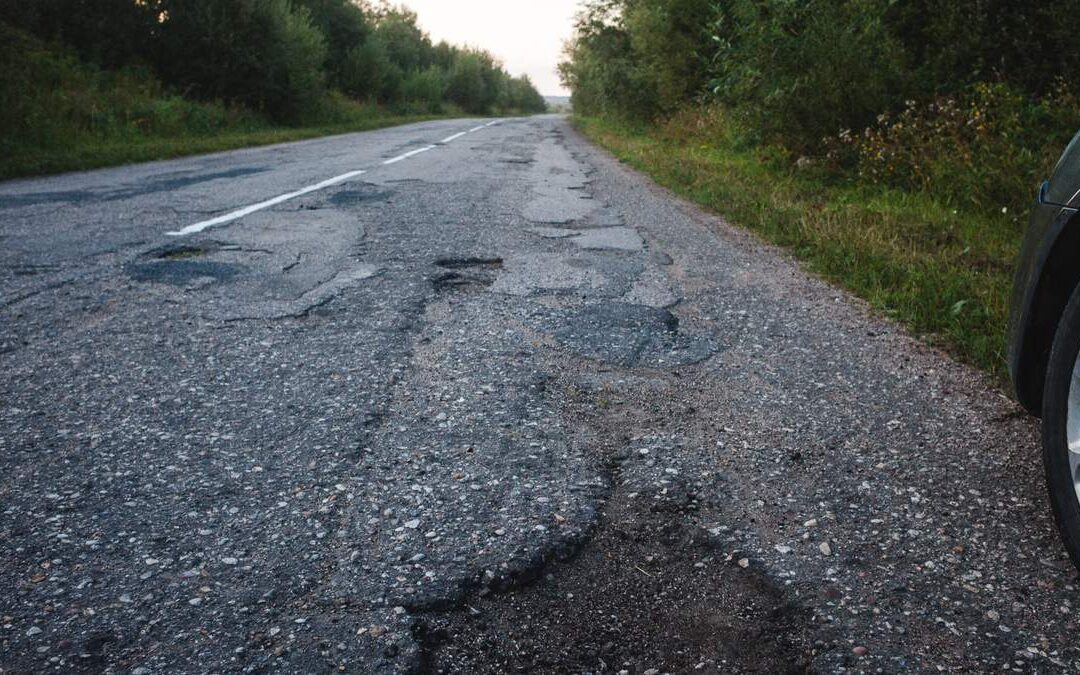
When Can a Road Condition Support an Injury Claim?
A road hazard claim against a public agency depends on proof of a dangerous condition and notice, plus a written claim within six months.
How Injury Claims Against California Public Agencies Are Different
Injury claims against cities, counties and the state start with a written claim due in six months. Here is how the process differs from a private claim.
When Might It Help to Speak With a Personal Injury Attorney?
A lawyer can help most when injuries are serious, fault is disputed or deadlines and liens stack up. Here is how to decide and how to check anyone you talk with.
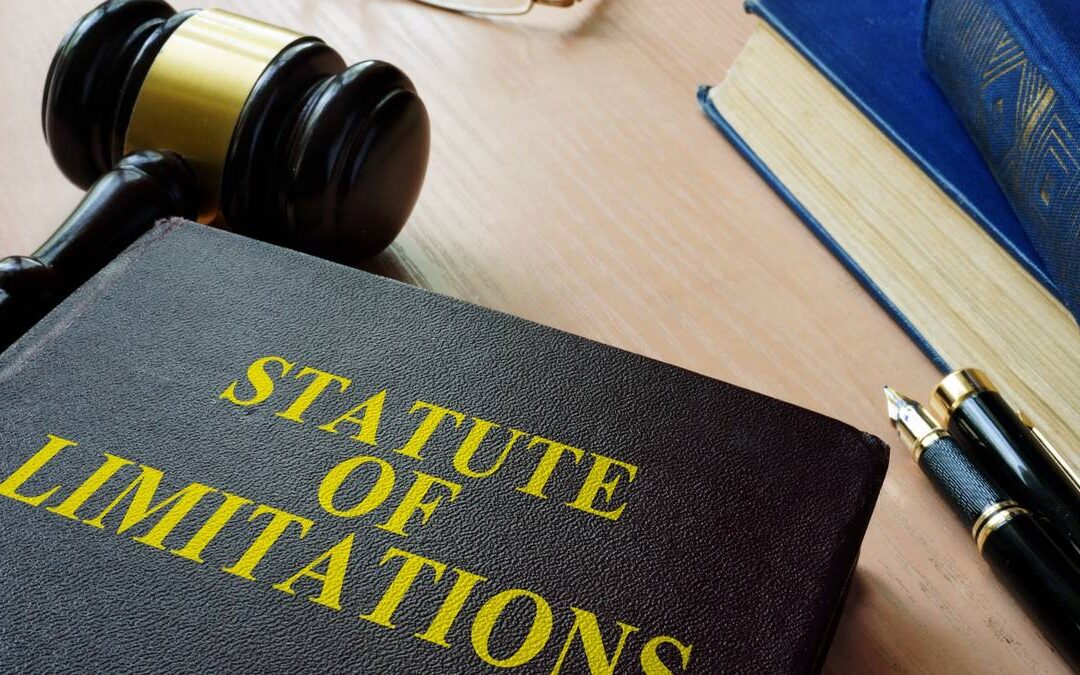
How to Check a California Personal Injury Filing Deadline
Two years is the general rule for California injury lawsuits, but public agency, medical and minor claims follow different clocks. Here is how to check.
How Negligence and Shared Fault Work in California Injury Cases
Being partly at fault usually does not end a California injury claim. Here is how shared fault reduces a recovery and how percentages get set.

How Lost Income Can Be Documented After an Injury
Lost income claims rest on pay records, employer letters and medical notes. Here is what employees, gig workers and owners can gather.

Who Pays Medical Bills While an Injury Claim Is Pending?
Your own coverage usually pays medical bills first while an injury claim is open. Here is how health plans, MedPay and waiting providers fit together.

California Subrogation Law and Injury Settlements
Your health plan or insurer may ask to be repaid from your injury settlement. Here is how California caps and reduces many of those repayment claims.

Claiming Through Your Own Insurance or the Other Driver’s Insurer
Your own policy can pay for repairs and early bills while a claim against the other driver moves forward. Here is how first and third party claims compare.

How Long an Insurance Company Has to Respond to a California Claim
California insurers get 15 days to acknowledge a claim and generally 40 days after proof of claim to decide. Here is how the timelines work.

What If the Other Driver Lies to Insurance?
When the other driver changes the story, proof decides the claim. Here is how to respond, what evidence to gather and where to turn if the insurer stalls.

Documents Families May Need After a Fatal Accident
After a fatal crash, families need death certificates, coroner and collision reports, estate papers and proof of relationship. Here is where to get them.

Wrongful Death and Survival Claims Are Different
Wrongful death and survival claims come from the same crash but belong to different people and cover different losses. Here is how each one works.
Who May Bring a Wrongful Death Claim in California?
California law decides who may bring a wrongful death claim, starting with spouses, partners and children. Here is how the order and dependent rules work.
Documenting Back, Neck and Spinal Injuries After an Accident
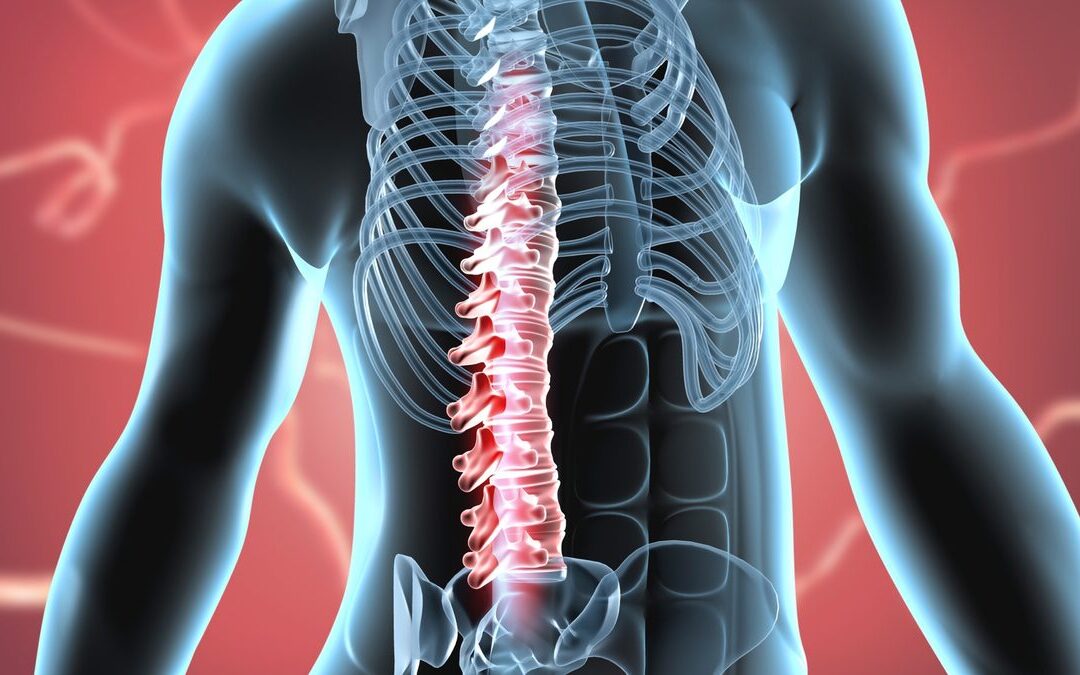
A normal X ray does not end a back or neck claim. Here are the records that show the injury, the treatment and the limits it causes.

Concussion Symptoms That Deserve Medical Assessment After an Accident
Concussion symptoms can appear hours after a crash, even with no head strike. Here are the CDC danger signs, common symptoms and what to track.

What a Brain Injury Claim Must Document Beyond the Diagnosis
A normal scan does not end a brain injury claim. Here are the records that show how memory, mood, sleep and work changed after an injury.

What to Do After a Dog Bite in the Sacramento Area
A dog bite in the Sacramento area gets reported to the animal services agency for that address. Here is who to call, what they ask and what to keep.

When May a Dog Owner Be Liable for a Bite in California?
California owners can be liable for a first bite under Civil Code section 3342. Here is how the statute works, who it protects and where it stops.

California Leash Laws
California has no single leash rule. Cities, counties and state parks each set their own, and leash violations can matter after a dog injury.

Injuries on Stairs Handrails and Uneven Steps
Stair falls often trace back to loose handrails, poor lighting or uneven steps. Here is how owner duties, building codes and evidence fit together.

How Store Inspection Records Can Matter After a Fall
Sweep logs, video and incident reports often show what a store knew before a fall. Here is how those records work and how to keep them from being lost.

What an Injured Visitor Must Establish After a Slip or Trip
A fall alone does not prove fault. Here is the proof an injured visitor usually needs about the hazard, the owner’s notice and the injury in California.
Who May Be Responsible When a Pedestrian Is Hit in a Crosswalk?
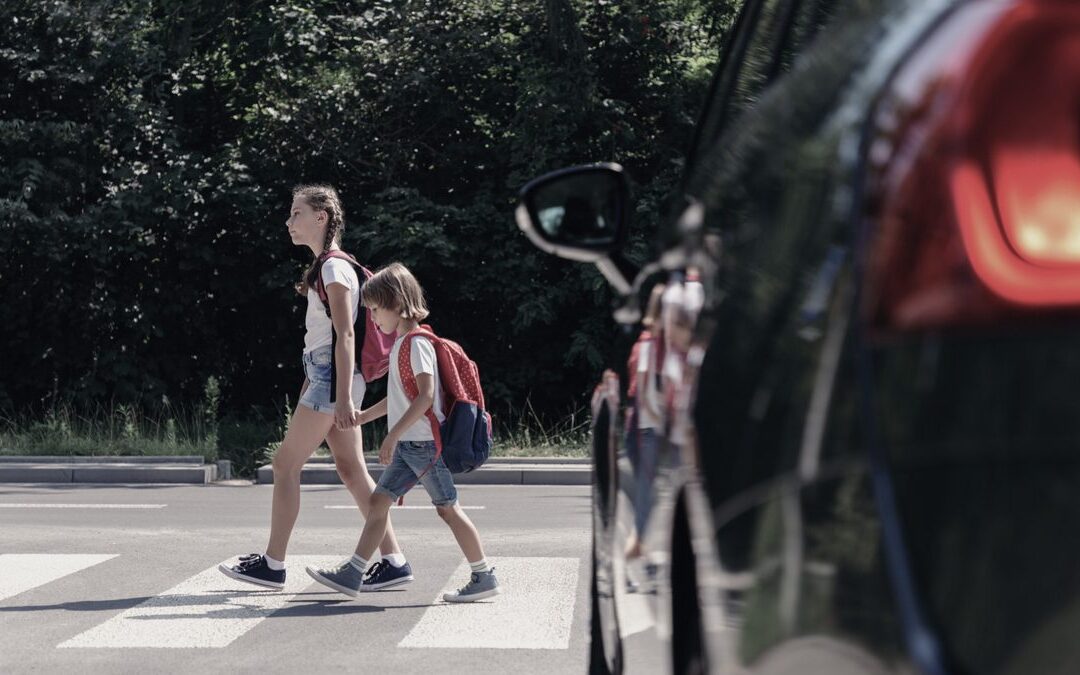
Drivers must yield to pedestrians in California crosswalks, marked or not, but pedestrians have duties too. Here is how fault and evidence work.

What Happens When a Car Door Opens Into a Cyclist’s Path
A car door opened into a cyclist’s path usually points to the person who opened it. Here is the California rule, shared fault and the evidence to keep.
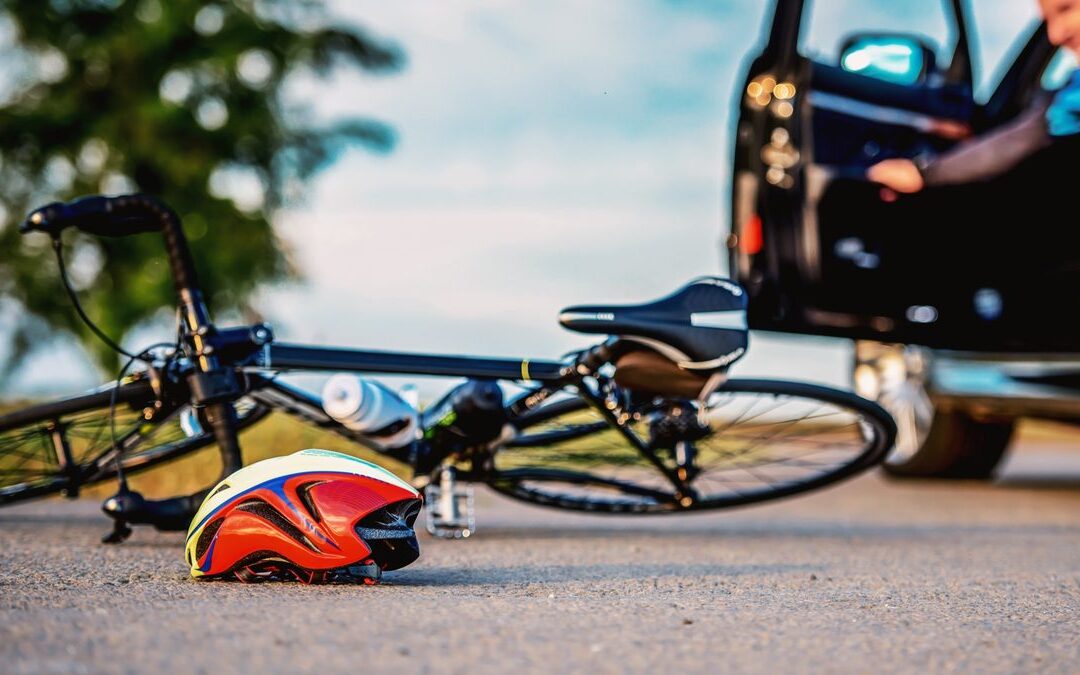
What to Document After a Bicycle Collision in Sacramento
After a bike crash in Sacramento, photos, your bike, your gear and witness names often tell the story. Here is what to save and how to keep it.

Can Helmet Use Affect Compensation After a Motorcycle Crash?
Riding without a helmet does not end a motorcycle claim in California, but it can come up for head injuries. Here is how helmet use fits in.

How Lane Splitting Can Affect a Motorcycle Accident Dispute
Lane splitting is legal in California, but fault still depends on speed, traffic and each driver’s choices. Here is how a splitting crash gets weighed.

What Makes Motorcycle Crash Evidence Different From Car Crash Evidence
A motorcycle crash leaves a different trail than a car crash. Your gear, the bike, scrape marks and nearby video often show what happened, if you save them early.
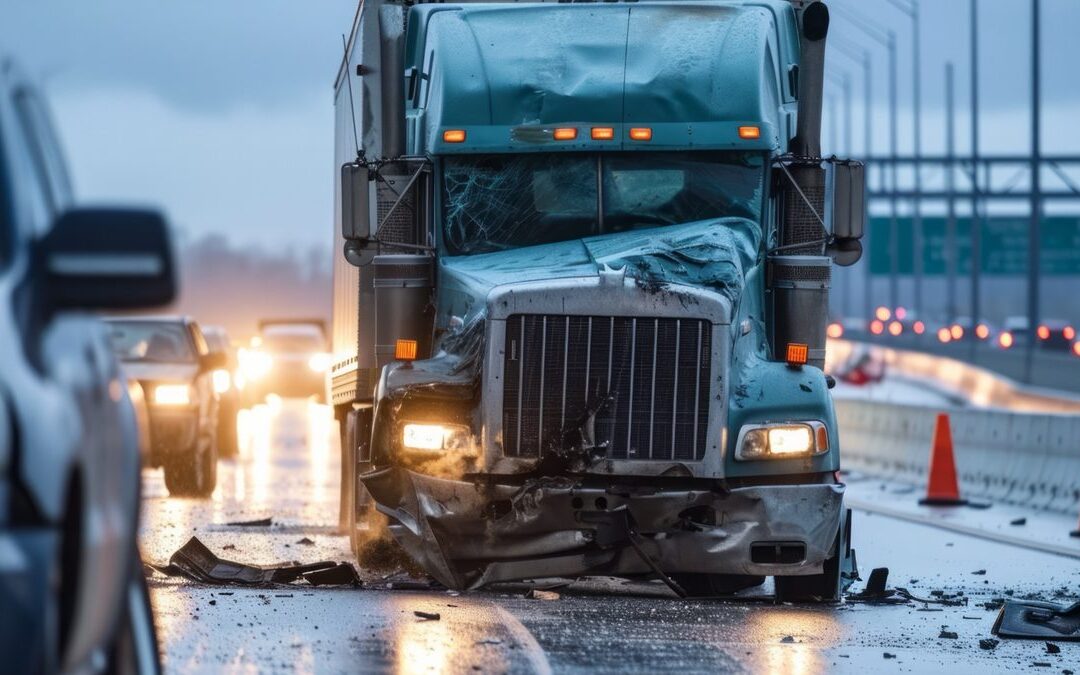
Wide Turns, Blind Spots and Truck Collision Responsibility
A long truck swings wide to turn, and a car or bike slips into the gap on the right. Here is how California rules, blind spots and video decide who is at fault.
Who Besides a Truck Driver May Be Responsible for a Crash?
A truck crash is rarely only about the driver. The carrier, the trailer owner, the company that loaded the cargo and the repair shop can each share responsibility.
Rules and Regulations for Truckers in California
Truck drivers and carriers in California follow strict federal and state rules on hours, testing, inspections and cargo. Those rules also create the records that matter after a crash.
Lane Changes, Merging and Sideswipe Collision Responsibility
A sideswipe happens in a split second, and both drivers often say the other one moved. California’s lane and signal rules, plus the damage pattern, usually show who did.
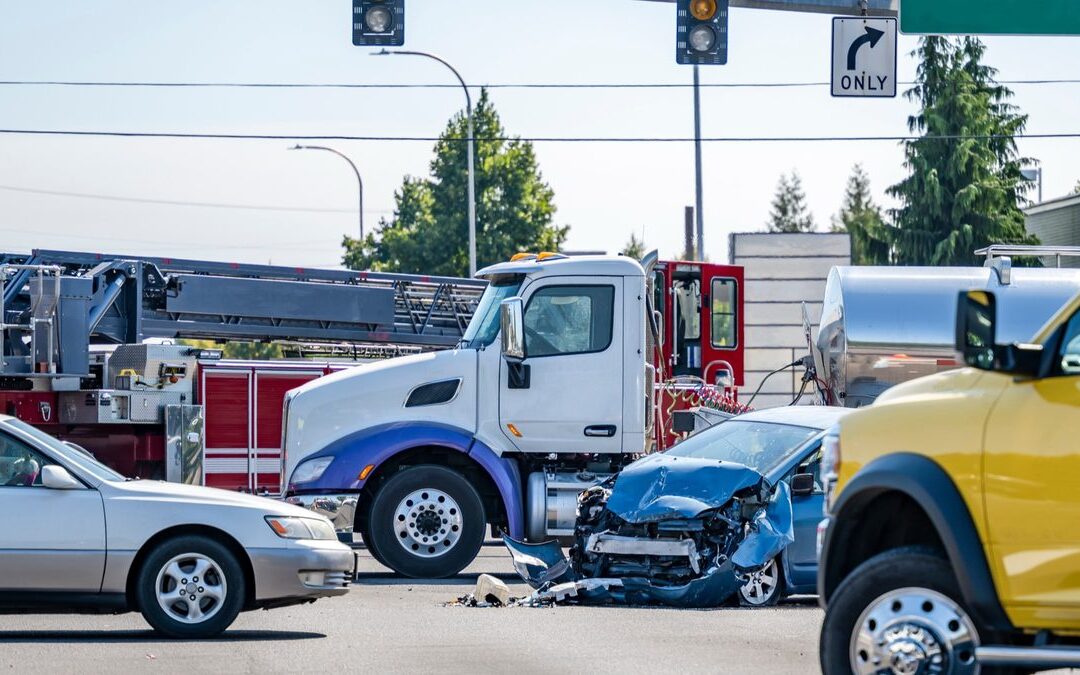
Who May Be Responsible for a Left Turn Collision?
A driver turning left has to yield to oncoming traffic, but that is only the start. Speed, the signal and what each driver could see can shift blame in a left turn crash.
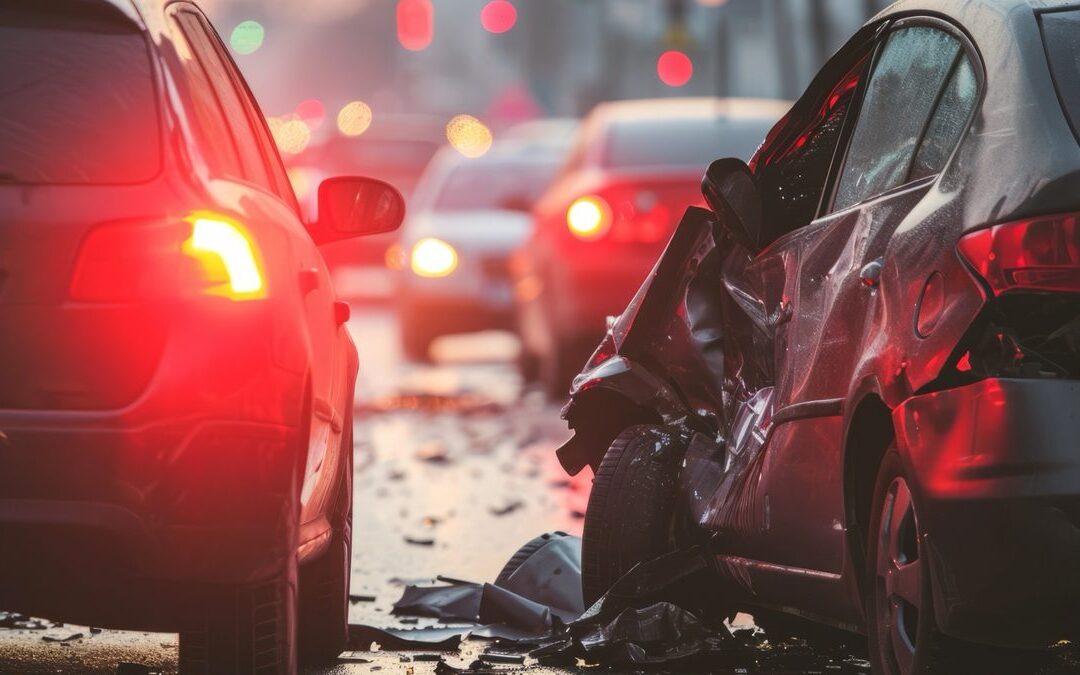
How Fault Is Evaluated After a Rear End Collision
The rear driver usually gets the blame after a rear impact, but California law looks at what both drivers did. Here is when fault shifts and what evidence matters.

Does a Police Report Decide Who Caused a Car Accident?
A police report does not decide who caused a crash. It is one piece of evidence an insurer or jury weighs alongside photos, witnesses and the physical damage.

Preserving Photos, Videos and Witness Information After an Accident
Cars get fixed, debris gets swept and cameras record over footage within days. Here is what to photograph, which video to request and how to keep witness details.

What to Do After a Sacramento Accident Causes an Injury
You were just in a crash and someone is hurt. Safety and medical care come first, then a few calm tasks that protect your health, your records and your claim later.